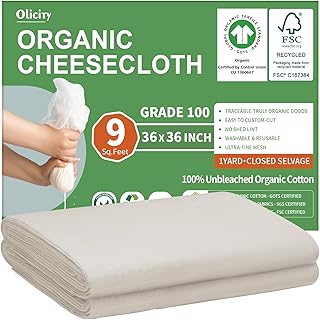
Cheesecloth is one of those humble kitchen tools that often gets overlooked until you need it. But once you discover its incredible versatility, you'll wonder how you ever managed without it. From straining stocks and making cheese to polishing silver and creating crafts, this simple cotton fabric has earned its place as an essential item in both kitchens and workshops. In this comprehensive guide, we'll explore everything you need to know about cheesecloth, including its various uses, the different grades available, and how to select the perfect one for your needs.
What is Cheesecloth and Why is it So Useful?
Traditionally used in cheesemaking to drain whey from curds, cheesecloth has evolved far beyond its namesake purpose. This loosely woven cotton fabric comes in various grades (numbered from 10 to 100) that determine its density and filtering capabilities. The lower the number, the more open the weave; the higher the number, the finer and denser the fabric. For most kitchen applications, Grade 100 cheesecloth is considered the gold standard because its ultra-fine weave catches even the tiniest particles while still allowing liquids to flow through.
Beyond Cheesemaking: Surprising Uses for Cheesecloth
While cheese making remains a primary use, creative cooks and crafters have found dozens of other applications for this versatile fabric:
Culinary Uses: Beyond straining cheese, cheesecloth is perfect for creating clear broths and stocks by removing impurities. It's ideal for bundling herbs into a bouquet garni, wrapping citrus zest for infusions, or straining homemade nut milks and juices. Many home cooks use it when cooking turkey to keep herbs and aromatics contained while infusing flavor into the bird.
Baking Applications: As a baking cloth, cheesecloth can be used to line proofing baskets for artisan bread, cover rising dough, or strain yogurt to create Greek-style yogurt or labneh. Its breathable nature makes it perfect for these applications where airflow matters.
Crafting Potential: The natural, unbleached appearance of most cheesecloths makes them ideal for DIY crafts. From creating ghost decorations for Halloween to making natural dye bundles for fabric art, cheesecloth's texture and drape offer unique creative possibilities. It's also excellent for polishing silver, buffing furniture, or creating custom sachets.
Choosing the Right Cheesecloth: Key Considerations
When selecting cheesecloth, several factors come into play. First, consider whether you need bleached or unbleached fabric. Unbleached cheesecloth maintains its natural color and hasn't been treated with chemicals, making it preferable for food applications. Bleached cheesecloth has been whitened and may be preferred for crafts where a brighter appearance is desired.
Next, consider the size and packaging. Some cheesecloths come in large continuous rolls or yards, while others are conveniently precut into squares for immediate use. The 6-Pack Beige Cheesecloth, 20x20 Inch offers a practical middle ground with hemmed edges that prevent fraying and make the cloths reusable.
Perhaps most importantly, look for quality construction features. Hemmed or finished edges significantly extend the life of cheesecloth by preventing unraveling. Products like the 12Pcs Reusable Cheese Cloths with hemmed 4 edges are designed specifically for multiple uses, making them more economical and environmentally friendly over time.
Top Cheesecloth Products for Every Need
The market offers a wide range of cheesecloth options to suit different preferences and budgets. For those committed to organic materials, the Organic Cheese Cloths, GOTS Certified provide peace of mind with their certified organic status and closed edges for durability.
Serious home cheesemakers often prefer the Cotton Farm Grade 100 XL Cheese Cloth, which offers the ultra-dense weave sometimes called "butter muslin" that's perfect for capturing the finest curds. This particular product features hemmed edges on two sides for added durability during repeated use.
For general kitchen use, value packs like the Mostdream Cheese Cloths, 10Pcs 20x20 Inch offer excellent versatility at an affordable price point. These are perfect for everything from straining stocks to making yogurt.
Traditionalists might appreciate the simplicity of products like MAJESTIC CHEF Natural Cheesecloth, which comes in a single large piece that can be cut to whatever size you need. This approach offers maximum flexibility for custom projects.
Care and Maintenance for Reusable Cheesecloth
One of the great advantages of modern cheesecloth is its reusability. With proper care, a quality cheesecloth can be used multiple times, making it both economical and environmentally friendly. After use, rinse the cloth thoroughly in cold water to remove food particles, then wash in warm soapy water. For heavily soiled cloths, a soak in a baking soda solution can help remove stains and odors. Always air dry your cheesecloth completely before storing to prevent mildew.
It's worth noting that cheesecloth used for strongly flavored foods (like garlic or fish) may retain odors even after washing. Many experienced users maintain separate cloths for different types of tasks—one for dairy products, another for stocks and broths, and perhaps a dedicated one for crafts.
Final Thoughts on This Kitchen Essential
Whether you're an avid home cook, a beginning cheesemaker, or a creative crafter, having quality cheesecloth on hand opens up a world of possibilities. The key is selecting the right grade and quality for your specific needs. For most kitchen applications, a Grade 100 cheesecloth with finished edges will serve you well across multiple uses. Products like the High-Grade 100 Cheesecloth 6-Pack offer an excellent balance of quality, convenience, and value for everyday use.
As you explore the many uses of this versatile fabric, you'll likely discover applications beyond those mentioned here. From creating infused oils to straining homemade cosmetics, cheesecloth proves that sometimes the simplest tools are the most valuable. For more detailed information on specific uses and techniques, check out our comprehensive Cheesecloth Guide: Uses, Types & How to Choose the Best Fabric.